
How Processed Foods Affect Your Mood
Discover the science behind emotional eating and learn how dietary choices influence mental wellbeing, energy levels, and overall emotional resilience.
of UK adults report mood swings linked to dietary habits
average duration of blood sugar crashes after refined carbs
of processed foods contain added sugars or salt
recommended daily caffeine limit (many exceed it)
The Sugar Crash and Dopamine Depletion
When you consume refined sugars and processed carbohydrates, your body experiences rapid spikes in blood glucose. This triggers an equally rapid crash within hours, causing fatigue, irritability, and low mood. Your brain's reward chemical dopamine follows this same pattern, leaving you feeling unmotivated and emotionally flat.
This cycle can reinforce cravings for more sugary foods as your body seeks another dopamine boost—creating a difficult-to-break pattern that impacts emotional stability throughout the day.
Understanding this mechanism is the first step toward making dietary choices that support steady energy, stable moods, and genuine emotional resilience.
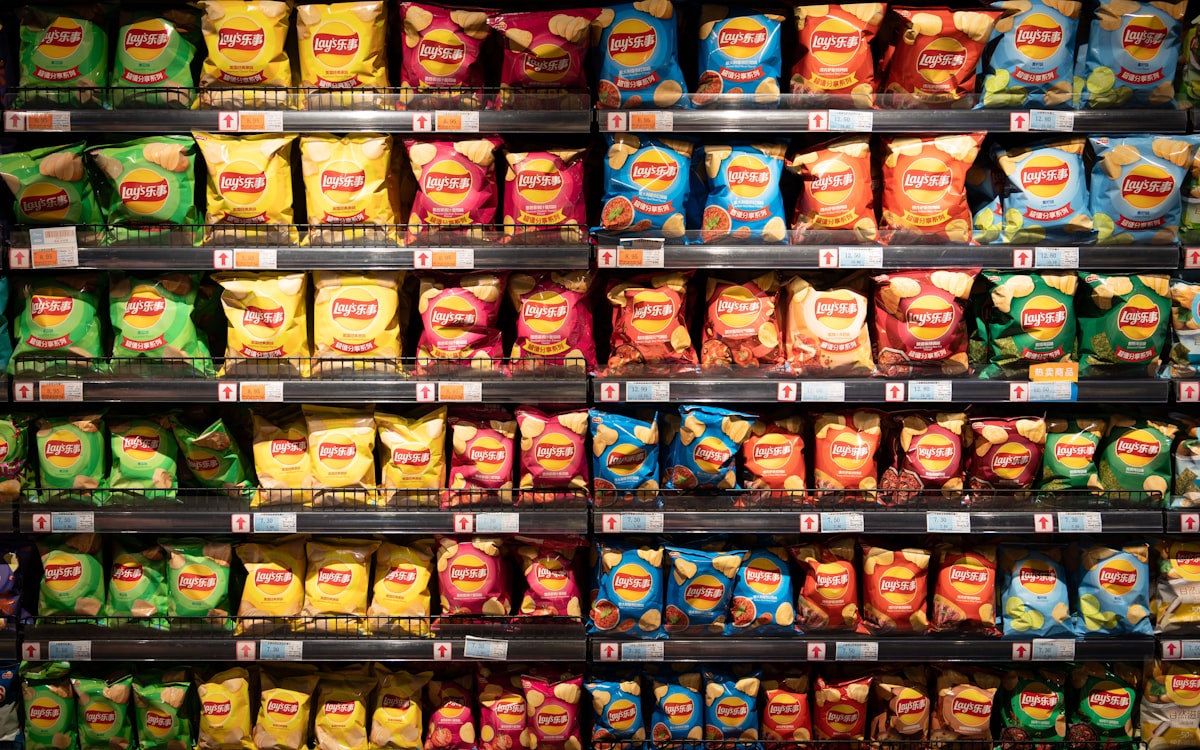
Three Food Categories That Impact Your Mood
Refined Sugars & Fast Carbs
Biscuits, sweets, white bread, and sugary drinks create rapid blood glucose spikes followed by sharp crashes. This rollercoaster destabilises mood, energy, and focus. Your brain becomes dependent on these peaks, reinforcing unhelpful eating patterns.
Artificial Additives
Preservatives, colouring agents, and flavour enhancers in ultra-processed foods can trigger anxiety, restlessness, and emotional sensitivity. These chemicals bypass your body's natural nutrient-sensing systems, confusing hunger and satiety signals.
Excessive Caffeine & Stimulants
Energy drinks, multiple daily coffees, and stimulant-laden products create nervous tension and sleep disruption. Poor sleep devastates emotional regulation, making stress, anxiety, and low mood much harder to manage throughout the day.
Your Journey: Five Steps Toward Better Mood Through Nutrition
Awareness: Track Your Mood and Food Patterns
Begin by noticing when your mood dips or peaks throughout the day. Keep a simple record of what you eat and how you feel 30 minutes, 2 hours, and 4 hours later. This foundation reveals your unique food-mood connections and builds motivation for change.
Replace: Swap Processed Foods for Whole Alternatives
Rather than complete elimination, focus on gradual replacement. Swap sugary breakfast cereals for porridge with berries, replace crisps with nuts and seeds, choose herbal tea instead of energy drinks. Small consistent changes accumulate into lasting habits.
Balance: Include Protein, Fibre, and Healthy Fats
These three nutrients slow digestion, stabilise blood sugar, and sustain neurotransmitter production. A balanced plate—vegetables, quality protein, wholegrains, and healthy fats—becomes the foundation for steady mood and reliable energy across the day.
Experiment: Find Your Optimal Eating Pattern
Some people thrive on three balanced meals; others do better with smaller, frequent snacks. Some notice mood improvements by reducing caffeine; others by increasing omega-3s. Your body is unique—experiment with timing, portion sizes, and food combinations to discover what supports your best mood.
Sustain: Build a Supportive Food Environment
Stock your kitchen with whole foods, plan simple meals ahead, and connect with others making similar changes. Create an environment where nourishing choices are the easiest choices. Consistency transforms dietary shifts into lifelong patterns that protect and enhance your emotional wellbeing.
What Our Community Says (Individual results may vary)
"I never realised how much my afternoon mood crashes were linked to my lunchtime choices. After learning about blood sugar stability, I swapped my usual sandwich and crisps for a balanced meal with protein and vegetables. The difference is remarkable—I feel genuinely more patient with my kids in the evenings, and I'm not reaching for chocolate at 3pm anymore. This information has been life-changing."
Sarah Mitchell
Manchester, UK
"As someone who struggled with anxiety, I was sceptical that food could really make a difference. But the articles here explained how caffeine and refined sugars were amplifying my nervous system response. Gradually reducing energy drinks and switching to whole foods has genuinely calmed my anxiety. I'm sleeping better too, which makes everything feel more manageable."
James Thompson
Bristol, UK
"The way this resource breaks down how artificial additives affect mood and focus has been genuinely enlightening. I started reading labels more carefully and cutting back on ultra-processed foods. Within three weeks, my concentration improved and I felt noticeably less irritable. The research is clear and practical—no confusing jargon, just useful information I can actually apply."
Emma Clarke
Edinburgh, UK
"I've been following the five-step journey outlined here for about two months, and it's genuinely transformed how I feel day to day. The most helpful part was learning that I don't need to be perfect—just consistent with small, sustainable changes. My mood is more stable, my energy doesn't crash as dramatically, and I finally understand why I was reaching for snacks. Brilliant, practical information."
David Patel
London, UK
Explore the Science Behind Food and Mood
Our comprehensive articles and research guides break down how processed foods affect your emotional wellbeing, energy levels, and mental clarity. Discover practical strategies for building dietary habits that support lasting mood improvement.
Common Questions About Food and Emotional Wellbeing
Why Nourishfeelpositive
Evidence-Based Content
Every article on our platform references peer-reviewed research and scientific studies. We translate complex neuroscience into practical, actionable insights without oversimplifying the real mechanisms behind mood-food connections.
Real Community Stories
Our community shares genuine experiences of how dietary changes have supported their emotional wellbeing. These aren't exaggerated claims—they're honest accounts from people navigating the same journey toward better mood through nutrition.
Practical Strategies
We focus on sustainable, incremental changes rather than restrictive diets or extreme measures. Our five-step journey and detailed guides help you build habits that actually fit your life and preferences.
Holistic Perspective
We explore food's impact on mood within the wider context of sleep, stress, movement, and emotional support. This integrated approach recognises that optimal wellbeing involves multiple interconnected factors.
Honest, Transparent Information
We acknowledge what science doesn't yet fully understand, highlight potential individual variations, and encourage consultation with appropriate professionals alongside dietary exploration. No exaggerated promises—just real information.
Supportive Community
Join a community of people genuinely interested in understanding how nutrition influences emotional wellbeing. Share experiences, ask questions, and learn from others who are exploring these connections.

Whole Foods, Better Moods: Your Path Forward
The connection between what you eat and how you feel is one of the most empowering realisations you can make. Unlike factors completely outside your control, your dietary choices are something you can adjust daily to directly support your emotional wellbeing.
This platform exists to provide the information, science, and community support you need to make those changes confidently. Whether you're interested in understanding the neuroscience of food-mood connections, seeking practical meal ideas, or wanting to hear real stories from people who've transformed their emotional resilience through nutrition—you'll find comprehensive resources here.
Your mood is worth investing in. Small dietary shifts, supported by understanding and community, can lead to remarkable changes in how you feel every single day.
Latest Articles and Resources
How Neurotransmitters Respond to Dietary Choices
Explore the science of serotonin, dopamine, and GABA production in relation to specific nutrients and food choices. Understand why certain foods feel emotionally rewarding and others deplete mood.
Read Article →Simple Whole-Food Swaps That Transform Energy
Practical replacements for common processed foods—no deprivation, just smarter choices. Discover easy swaps that stabilise blood sugar and support steady mood throughout your day.
Read Article →The Sleep-Food-Mood Triangle: Optimising All Three
Discover how food timing, nutrient composition, and caffeine habits directly influence sleep quality, which fundamentally determines your emotional regulation and mood stability the next day.
Read Article →Join Our Community of Mood-Conscious Eaters
Get access to latest research summaries, community stories, practical guides, and exclusive content about how food influences emotional wellbeing. Our editorial team curates science-backed resources to help you understand and support your mood through nutrition.